
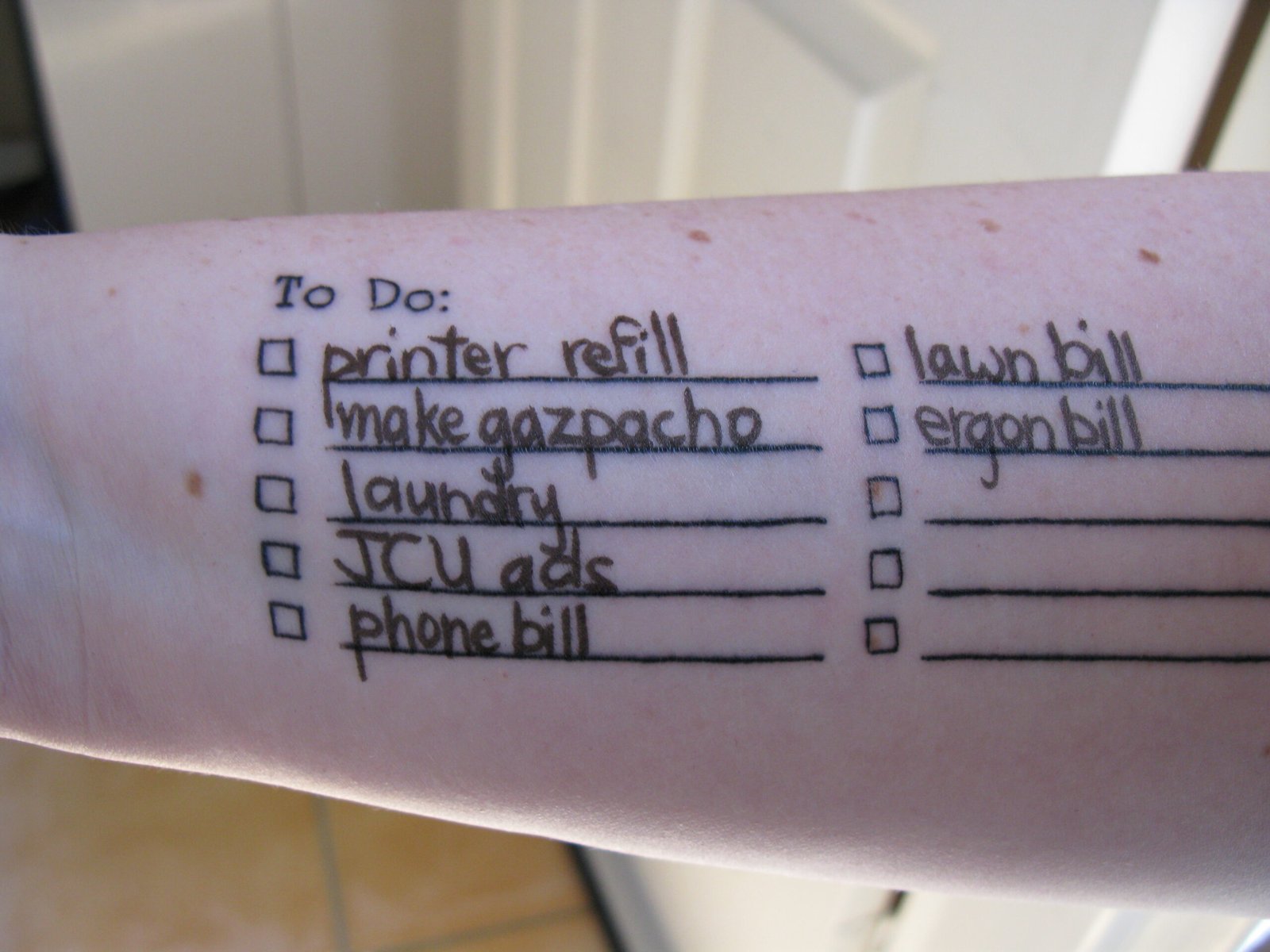
The Two-Minute Rule: A Small Trick That Clears Your To-Do List Faster
The rule is almost insultingly simple: if a task takes less than two minutes, do it now instead of writing it down. There is no app, no system, and no weekly review involved. It sounds too basic to matter, which is probably why most people hear it once and forget it within a day.
It is worth a closer look, because it is based on a real cost most people never count, and because it breaks down in specific, predictable ways.
Where the rule comes from
The two-minute rule comes from David Allen’s productivity method, Getting Things Done, first published in 2001. His wording is that if an action will take less than two minutes, you should do it at the moment you decide it needs doing rather than adding it to a list.
It is worth separating this from a different rule with a similar name. Author James Clear popularized a “two-minute rule” for building habits, which says that a new habit should be scaled down to something that takes two minutes or less, such as reading one page. The two ideas share a number, not a purpose: Allen’s rule is about clearing small tasks, Clear’s is about starting new behavior.
The hidden cost of writing it down
A task on a list is not free. To handle it, you have to capture it, store it, find it again later, decide when to do it, and then do it. For a task that takes ninety seconds, that bookkeeping can cost more than the task itself.
There is also a mental cost. Psychologists have long observed that unfinished tasks tend to stay in mind. A 2011 study by E. J. Masicampo and Roy Baumeister found that unfulfilled goals kept intruding on people’s thoughts, and that making a specific plan, or finishing the task, relieved that intrusion. Doing a small task immediately closes the loop in the cheapest possible way.
Why it works better than it sounds
Most to-do lists do not fail because they are badly organized. They fail because they fill up with dozens of tiny items that crowd out the few that matter. A list with forty small tasks is tiring to look at, even if none of them is important. Clearing the small ones on the spot keeps the list short enough that what is left deserves real attention.
Where it breaks down
- It becomes an excuse to interrupt yourself. If you are deep in focused work and a two-minute email arrives, stopping to answer it can cost far more than two minutes once you count the time to get back into the work. The cost of this kind of switching is covered in why to-do apps don’t fix procrastination, which looks at how activity can stand in for progress.
- Estimates are optimistic. People reliably underestimate how long tasks take, a bias researchers call the planning fallacy. Many “two-minute” tasks are really ten, and the rule only holds when it actually is two.
- Small tasks multiply. Answering every message instantly teaches people to expect it, and the flow of tiny tasks grows to fill the day.
How to use it without letting it take over
- Apply it in the gaps. Use it between tasks: right after a meeting, before you start a longer session, while something loads. Those slots are usually wasted anyway.
- Batch the small stuff. If several small tasks have piled up, handle them in one pass instead of one at a time as they arrive.
- Check the estimate. If you can start it right now and expect to finish within two minutes, do it. If you are unsure, it does not qualify.
- Protect focus blocks. During deep work, small tasks go on the list. The rule is for the rest of the day.
Examples that fit
- Replying to a short message that needs one line.
- Putting a document in the right folder.
- Booking an appointment you are already thinking about.
- Putting a dish in the dishwasher or a receipt in the file.
- Logging in to claim a daily reward, if you have decided it is worth it. The mechanics behind those are discussed in why daily login streaks are so hard to quit.
A version for bigger tasks
Even tasks that will not fit in two minutes benefit from the same instinct: ask what the smallest possible next action is, and whether you could do just that piece now. You cannot finish a report in two minutes, but you can open the document and write the first sentence. That is usually enough to move a task from the list of things looming over you to the list of things in motion.
Quick answers
Is the rule still useful if I use a task app?
Yes. It is not a replacement for a system; it keeps small items from clogging it.
What if I keep getting interrupted?
Then limit it to set windows, such as the start and end of the day, and batch small tasks inside them.
Does it work for habits?
The version for habits is a different rule, though related. Shrinking a habit to two minutes helps you start, and the habit can grow from there.
The short version
- If it takes under two minutes and you can start now, do it.
- Writing down a tiny task often costs more than doing it.
- Do not use it to interrupt focused work, and watch your estimates.
- Use the gaps in your day, and batch what piles up.
Sources
- Masicampo, E. J., and Baumeister, R. F. (2011). Consider it done! Plan making can eliminate the cognitive effects of unfulfilled goals. Journal of Personality and Social Psychology. Link


