The Right Way to Reheat Leftovers Without Ruining Them
Leftovers rarely taste as good the second time around, and it’s usually not the food’s fault. It’s the reheating method. The microwave is fast, but it cooks unevenly and turns crispy things soggy and tender things rubbery. A few small changes fix most of that, without adding much time to the process.
Why the Microwave Ruins Texture
Microwaves heat food by exciting water molecules, which means anything with moisture heats first and fastest, while dry surfaces barely warm at all. That’s why microwaved pizza crust goes limp while the cheese turns molten, or why fried chicken comes out steamed instead of crisp. The microwave isn’t wrong for everything, but it struggles with anything that depends on a dry, crisp exterior.
The Skillet Trick for Crispy Leftovers
For anything fried, roasted, or crispy, a dry or lightly oiled skillet on medium heat beats the microwave every time. The direct, even heat re-crisps the outside while gently warming the inside, which is exactly the opposite of what a microwave does. Pizza, fried rice, roasted vegetables, and pan-fried dumplings all come back to life this way in under five minutes.
What to Do With Rice and Pasta
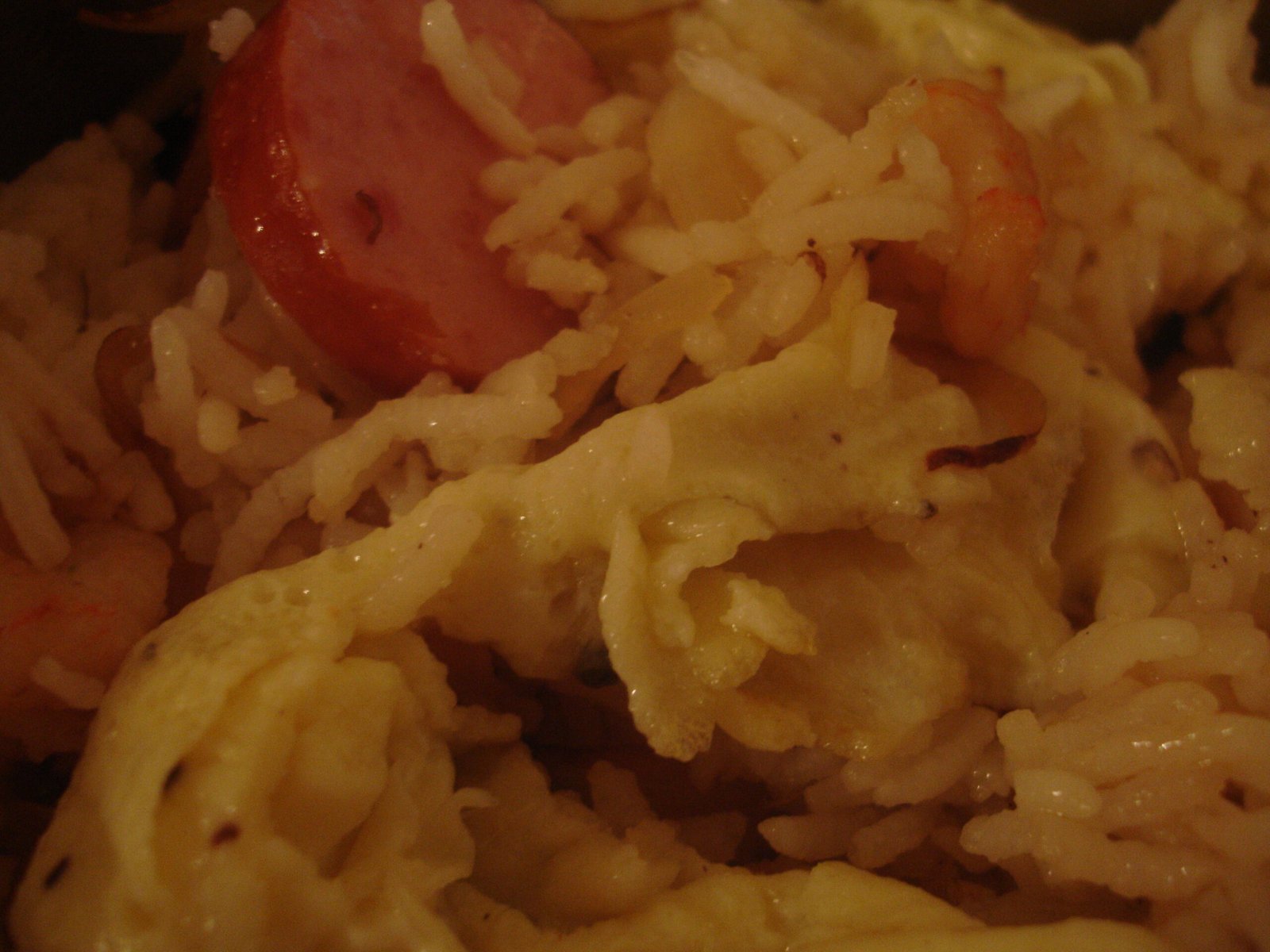
Both dry out fast in the microwave unless you add moisture back in. A splash of water before reheating rice, covered with a damp paper towel or a lid, traps steam and brings it back to something close to fresh. Pasta does best with a quick toss in a hot pan with a spoonful of water or sauce, which loosens it up without turning it mushy.
Reheating Meat Without Drying It Out
Meat is the trickiest category because overcooking it the second time is easy to do without noticing. Lower, slower heat works better than a fast blast: a covered pan on low, or an oven around 300°F (150°C), warms meat through gently instead of cooking the outside while the inside is still cold. Adding a small amount of broth or sauce to the pan also helps keep it from drying out.
A Quick Reference for What Goes Where
As a rough rule: anything that needs to stay crispy goes in a pan or oven, anything that needs moisture back gets a splash of liquid before reheating, and the microwave is best saved for soups, stews, and sauces that were never crispy to begin with. None of this takes much longer than microwaving everything on high for two minutes, and the difference in how it actually tastes is hard to miss.