The Two-Minute Rule: A Small Trick That Clears Your To-Do List Faster
The rule is almost insultingly simple: if a task takes less than two minutes, do it immediately instead of adding it to your list. No app, no system, no weekly review required. It sounds too basic to matter, which is probably why most people hear it once and forget about it within a day.
What the Two-Minute Rule Actually Says
The rule comes from productivity consultant David Allen’s Getting Things Done method, and the logic is about cost, not time. Writing a task down, filing it into a list, revisiting that list later, and deciding to act on it all costs more mental energy than just answering the email, hanging up the jacket, or replying to the message right now. For genuinely short tasks, the overhead of managing them is often bigger than the task itself.
Why It Works Better Than It Sounds
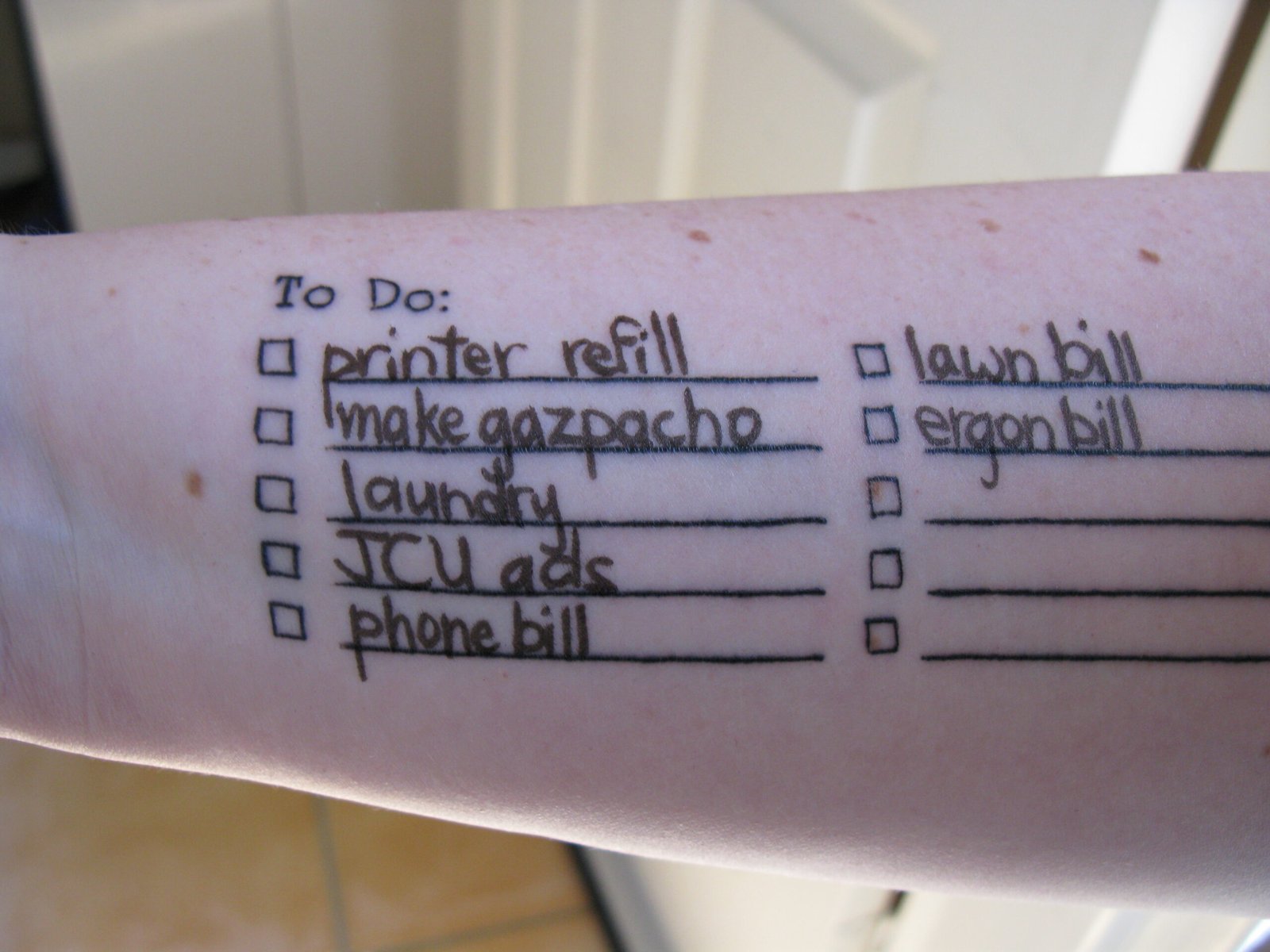
Most to-do lists don’t fail because they’re poorly organized. They fail because they get clogged with tiny, low-effort items that crowd out the things that actually need planning. A list with forty small tasks on it is exhausting to look at, even if none of them individually matter much. Clearing the small stuff immediately keeps the list short enough that what’s left actually deserves your attention.
Where It Breaks Down
The rule has one obvious failure mode: using it to justify constant task-switching. If you’re deep in focused work and a two-minute email shows up, stopping to answer it can cost you far more than two minutes once you factor in the time to get back into flow. The rule is meant for the gaps between tasks, not as an excuse to interrupt yourself every time something small appears.
How to Actually Use It Without Turning Into a Chore List
A practical version: batch your two-minute tasks into the transition moments you already have. Right after a meeting ends, before you open your inbox for a longer session, while you’re waiting for something to load. Those slots are usually wasted anyway, so filling them with fast, low-stakes tasks doesn’t cost you anything you were using for something else.
A Version That Works for Bigger Tasks Too
Even tasks that don’t fit in two minutes benefit from the same instinct: ask what the smallest possible next action is, and whether you could do just that piece right now. You don’t have to finish a report in two minutes, but you can open the document and write the first sentence. That’s usually enough to get a task off the list of things looming over you and onto the list of things actually moving.