Why Do Cats Purr, and Is It Always Because They’re Happy?
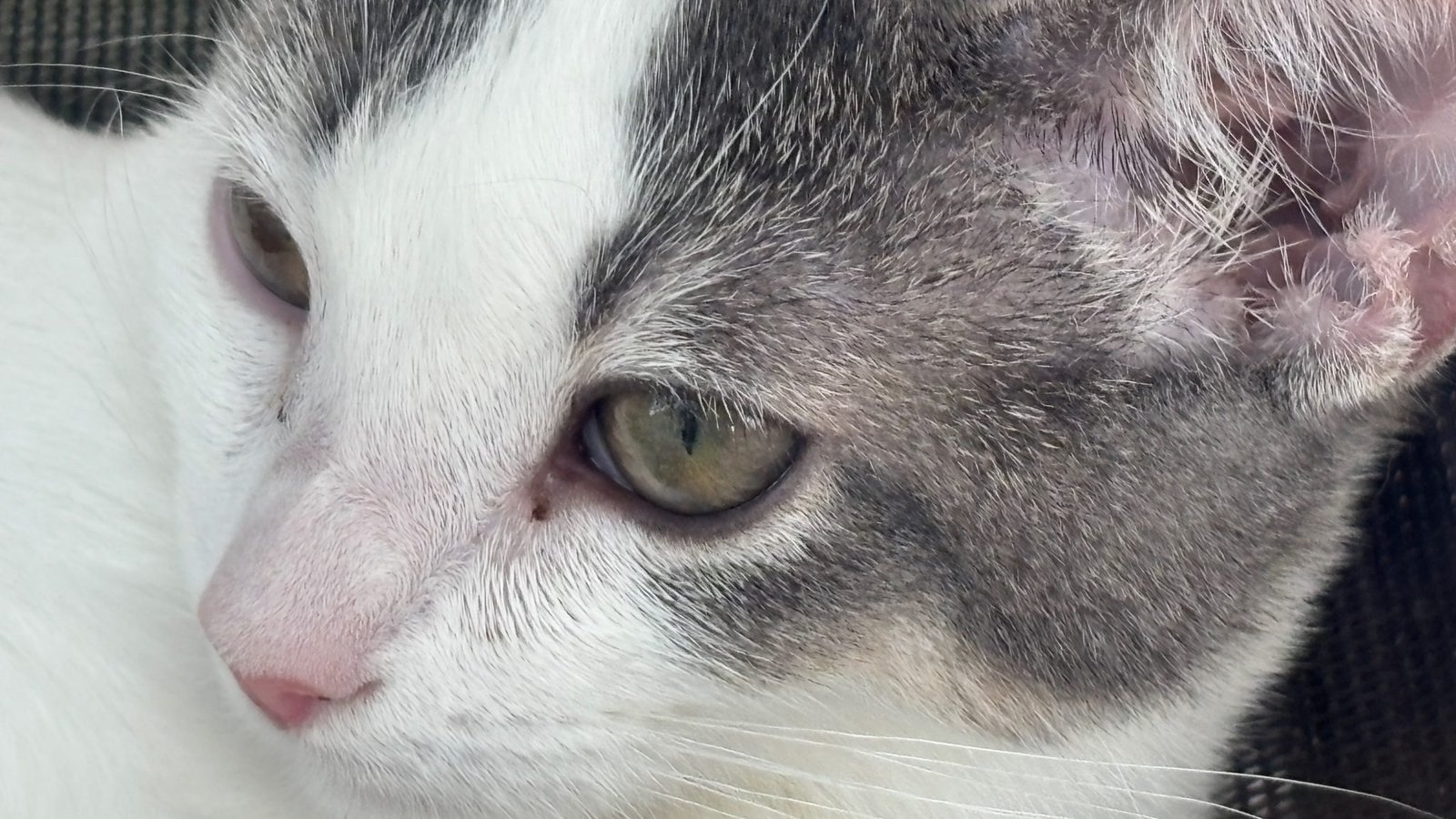
A cat purring on your lap is about as clear a signal of contentment as the animal world offers. Except that the same cat will also purr on the vet’s examination table, while recovering from surgery, and while giving birth. If purring only meant “I’m happy,” none of that would make sense.
The better explanation is that purring is a flexible tool. Cats use it to soothe themselves, to talk to their kittens, to ask for food, and possibly to help their bodies recover. Here is what is actually known, what is still only a hypothesis, and how to tell which kind of purr you are hearing.
How a cat actually makes the sound
A purr is not produced the way a meow is. A repeating signal from the cat’s brain drives the muscles of the larynx, which twitch the vocal folds open and closed roughly 25 to 30 times per second. Air moving across them as the cat breathes produces the rumble.
Because the twitching continues on both the inhale and the exhale, a purr sounds unbroken, while a meow can only be made on the exhale. The main frequency sits very low, around 27 hertz in the best-known measurements, with higher harmonics layered on top. That is low enough to be felt as much as heard, which is why a purring cat can be felt through your hand or chest.
The cat does not have to think about it. Kittens start purring within the first days of life, long before they can see or hear well.
The first purr is a message to mom
Newborn kittens are nearly blind and deaf, but they can feel vibration. They purr while nursing, and their mother purrs back. The most common explanation is that this is a two-way “I’m here and I’m fine” signal that works when sight and hearing cannot.
That origin helps explain a lot of adult behavior. A cat that purrs while kneading a blanket, the slow push-and-pull motion people call “making biscuits,” is repeating something it first did at its mother’s side. When an adult cat purrs at you, it is using a bonding signal it has carried since kittenhood.
Why a stressed or hurt cat purrs
Cats also purr in situations that are clearly not pleasant: at the vet, in pain, and during labor. Two explanations are usually offered, and neither is fully proven.
- Self-soothing. Purring may work for a frightened cat the way humming works for a nervous person: a repetitive, rhythmic behavior that calms the animal down.
- Healing. Vibration in the range of roughly 25 to 150 hertz has been linked in some studies of vibration therapy to bone and tissue repair. Because cats purr in that range and spend long hours resting, one hypothesis is that purring is a low-energy way for the body to stimulate itself.
The healing idea is attractive, but the evidence that purring actually speeds recovery in cats is thin. It is best treated as an open question. The practical takeaway for an owner is simpler: a purr on its own does not prove a cat is okay.
The purr that means “feed me”
In 2009, researchers at the University of Sussex studied the purrs of cats that lived with people and found something unexpected. Many cats produce a special “solicitation purr,” in which a higher-pitched component, in roughly the 220 to 520 hertz range, is layered over the normal rumble. To human ears it resembles the cry of a baby.
When volunteers rated recordings, they judged the solicitation purrs as more urgent and less pleasant than ordinary purrs, and this held even for people who did not own cats, though cat owners were somewhat better at picking them out. It was a small study, with purrs from 10 cats played to 50 listeners. Owners reported that their cats used it mostly around meals. In other words, a house cat can turn a comfort sound into a very effective request, and it seems to work because it taps a human instinct to respond to crying.
If you want to hear it, listen for a purr with a thin, whining quality, often combined with the cat walking toward the kitchen or watching you.
Which cats can purr, and which cannot
Domestic cats purr, and so do cheetahs, cougars, and bobcats. Lions, tigers, jaguars, and leopards roar and do not purr continuously in the same way. The two abilities seem to trade off in how the larynx is built, which is why the cat that can roar loudest cannot purr, and the cat that purrs cannot roar. A cheetah is the classic example of the second kind: it purrs on both the inhale and the exhale like a house cat, and it chirps and growls, but it cannot roar.
How to read a purr in context
The sound alone is not enough. Body language and circumstances tell you more:
- Relaxed body, slow blinks, kneading, a loose tail: contentment. This is the version most people picture.
- Purring while hiding, crouched, with flattened ears or a refusal to eat: possible pain or stress. This is the combination worth a call to the vet.
- Purring while following you toward the food, with a whining edge: a request.
- A sudden change in a cat’s usual pattern, for example a normally chatty cat that goes quiet or one that begins purring loudly in unusual situations, is worth noticing even if nothing else looks wrong.
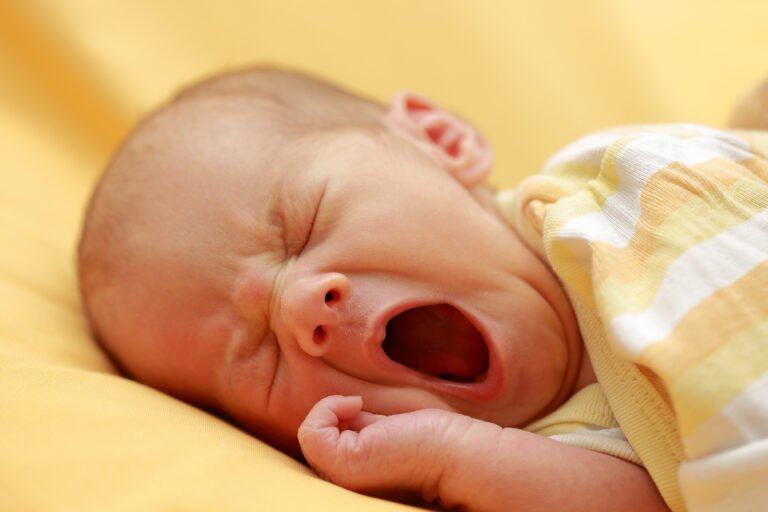
Social signals like this tend to spread between individuals. The same mirroring instinct is behind why yawning is contagious, and the fact that you feel a purr as vibration rather than only hearing it is related to how bone and tissue carry sound, the same effect that explains why your own voice sounds different in recordings.
Quick answers
Do all cats purr?
Most do. Some purr so quietly you only notice it by touch, and a few rarely purr at all. A cat that purrs little is not necessarily unwell.
Can a cat purr and meow at the same time?
Yes, and that combination is the classic solicitation signal described above.
Is it normal for a cat to purr at the vet?
It is very common. Treat it as self-soothing, not as proof that the cat is relaxed, and read the body language instead.
The short version
- Purring is made by rapid laryngeal muscle twitches, about 25 to 30 per second, on both inhale and exhale.
- It starts as a kitten-and-mother bonding signal and carries over into adulthood.
- Cats also purr when stressed or hurt, probably to self-soothe, and possibly to aid healing, which is still unproven.
- A higher-pitched, cry-like layer in the purr is a request for food or attention.
- To know what a purr means, read the whole cat, not just the sound.
Sources
- McComb, K., Taylor, A. M., Wilson, C., and Charlton, B. D. (2009). The cry embedded within the purr. Current Biology. Link