Why Your Stomach Growls
You are in a quiet meeting, or a silent exam room, and your stomach lets out a long, rumbling growl that everyone seems to hear. It feels like your body is announcing that you skipped breakfast. The reality is a little more interesting, because that noise is not only about hunger and it does not even come mostly from the stomach.
This article explains what produces the sound, why it gets louder when you are empty, what hunger hormones have to do with it, and when a noisy belly is worth mentioning to a doctor.
What the sound is called, and what makes it
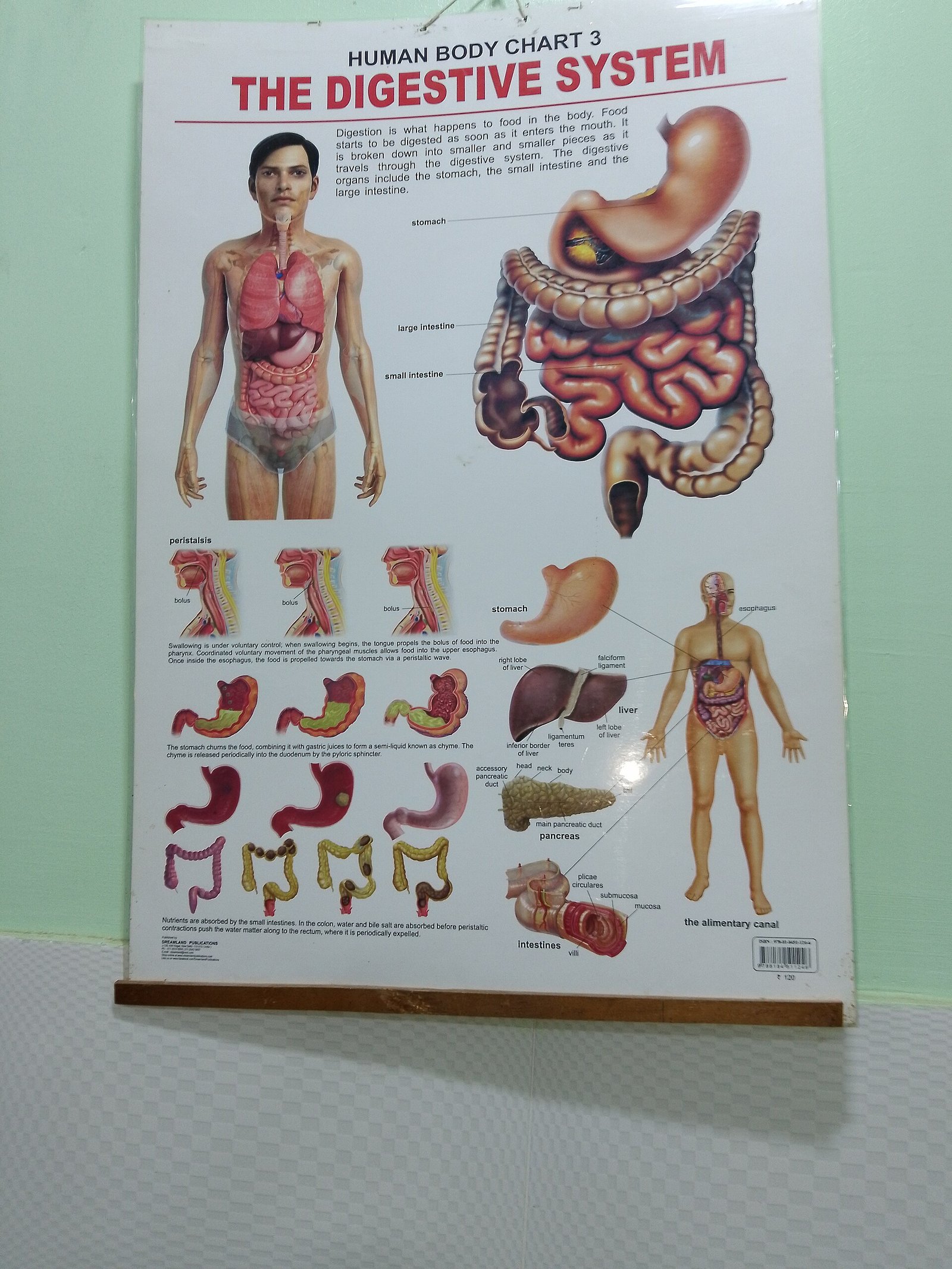
The medical word for a rumbling belly is borborygmi, a name that imitates the sound. It is produced when gas and liquid are squeezed along the digestive tract by the muscular walls of the stomach and intestines. These muscles contract in waves, a process called peristalsis, and anything moving inside the tube gets pushed along and mixed with air. Gas and fluid sloshing through a narrow, stretchy tube make a gurgle, and the empty space around them acts like an echo chamber.
Despite the nickname, much of the sound comes from the small intestine, which is long and winding, and not only from the stomach. Your abdomen is simply a resonant space, so the noise is easy to hear and easy to feel.
Digestion makes noise too, just quieter
After a meal, the same churning goes on while food, liquid, and swallowed air move through. You hear those sounds less because the food muffles them. The contents are thicker and fill the space, so there is less empty room for the sound to bounce around in. When the stomach is empty and the intestines hold mostly gas and a little liquid, the same contractions sound much louder.
This is why growling is often noticed when you have not eaten for a while, but it can also happen right after a meal, especially if you swallowed a lot of air by eating quickly or drinking something fizzy. If you want more on what happens later in the process, our guide to how to reheat leftovers properly is a handy companion for the kitchen side of things.
The housekeeper wave
Between meals, the digestive tract does not go quiet. It runs a repeating cleanup pattern known as the migrating motor complex. Starting in the stomach and moving down through the small intestine, a strong wave of contractions sweeps leftover food particles, secretions, and bacteria toward the large intestine. Researchers sometimes call it the housekeeper wave because it clears the tube before the next meal.
The cycle moves through phases. There is a long quiet stretch with very few contractions, and then a short, intense phase of strong, rapid waves. That intense phase is the loud one. The whole cycle repeats at intervals that vary, with popular sources often quoting 90 to 120 minutes and more technical references giving a wider range of roughly 90 to 230 minutes. Either way, it keeps running for as long as you stay unfed, which is why a stomach can growl repeatedly during a long gap between meals.
Where hunger hormones come in
Hunger and growling are linked, but they are two separate events that often happen at the same time. A hormone called motilin helps trigger the sweeping contractions between meals. Another hormone, ghrelin, often nicknamed the hunger hormone, rises when your stomach is empty and tells your brain that it is time to eat. Ghrelin is also thought to work alongside motilin in stimulating those contractions.
The result is a handy coincidence: the same body state that makes you feel hungry also makes your digestive tract noisy. But the noise itself is not a precise hunger meter. You can be genuinely hungry without any growl, and you can growl when you are not hungry at all, for example just after a large meal when the cleanup wave begins.
Why it sounds so loud in a quiet room
Borborygmi are not unusually loud, but you notice them more in a quiet room because there is nothing else to mask them. Your belly muscles are also usually relaxed when you are sitting still, which lets the sound travel without being damped. In a noisy restaurant the same rumble goes completely unnoticed.
Some people seem to growl more than others. Differences in body build, the amount of gas in the gut, and what they ate can all change how audible the sounds are. There is no good evidence that a louder stomach means anything about health on its own.
Foods and habits that make it louder
Several everyday things can increase gas and fluid movement in the gut:
- Swallowing air from eating or drinking quickly, chewing gum, or sipping through a straw.
- Carbonated drinks, which add gas directly.
- High-fiber and fermentable foods such as beans, onions, and some vegetables, which gut bacteria break down into gas.
- Sugar alcohols in sugar-free candy and gum, which are poorly absorbed and can ferment in the intestines.
- Lactose in people who do not digest it well, which produces gas in the large intestine.
If a particular food makes your gut noisy and uncomfortable, a short food diary can help you spot the pattern.
Can you stop it?
You cannot switch it off, but you can make it less likely. Eating regular meals or a small snack when a long gap is coming can keep the digestive tract busy with food. Eating more slowly means swallowing less air. Drinking a glass of water may quiet a growl for a short time by filling the space, though the effect does not last long. None of this is needed for your health, it is only for your comfort.
When a noisy belly is a reason to ask a doctor
For most people, growling is harmless and is just the digestive system doing its job. It is worth mentioning to a doctor if it comes with other symptoms, for instance:
- Persistent pain, cramping, or bloating.
- Vomiting or nausea that does not go away.
- Diarrhea or constipation that lasts for weeks.
- Unexplained weight loss.
- Blood in the stool.
The noise alone is not the concern. It is the combination with other symptoms that deserves attention.
Quick answers
Does a growling stomach always mean I am hungry?
No. The cleanup contractions happen between meals whether or not you feel hungry, and growling can happen shortly after eating too. Hunger and growling often overlap, but they are not the same signal.
Is it bad to ignore the growling?
No. The sound itself does no harm. Eat when you are actually hungry, and treat the noise as a loose hint at best.
Why does my stomach growl at night?
The cleanup waves continue overnight when you have not eaten for hours, and the bedroom is quiet, so even small sounds seem loud.
The short version
- The rumble is called borborygmi, made by gas and liquid moving through the stomach and intestines.
- It is louder when the gut is empty because there is less food to muffle the sound.
- Between meals, a repeating cleanup wave called the migrating motor complex sweeps the tract.
- Hunger hormones and growling often coincide, but the noise is not a reliable hunger signal.
- Growling alone is harmless; see a doctor if it comes with pain, vomiting, or lasting digestive changes.